
Code Switching
By Alan S.
Communication is one of the single most important skills you will ever learn. It’s critical to forming relationships, even professional ones. However, you cannot communicate the same way with every single person in your life. Occasionally, you’ll need to change some things, whether that’s to be more polite, formal, or casual with friends. This is an important aspect of communication, which is critical to know and use in your life, known as code switching. Code switching is the ability to change your language, behavior, tone, mannerisms, etc., depending on who you’re talking with and where you are. There should be differences in how you talk with your boss and your friends, or with your family and strangers on vacation.
ccording to Dr. Prewitt, “None of us have just one absolute identity,” so code switching is how we control which version of us people see throughout our lives.
What is Code Switching?
Cleveland Clinic says that code switching is generally a temporary change to your identity, so that you can blend in or draw attention away from certain parts of yourself, like your ethnicity, religion, financial status, or more. According to Dr. Prewitt, “None of us have just one absolute identity,” so code switching is how we control which version of us people see throughout our lives.
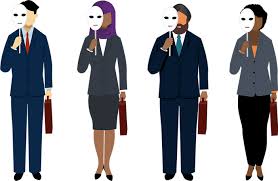
An example of code switching might include someone trying to change their language or certain parts of their vocabulary so they can avoid being singled out or seen as different. Another example could be when you are changing how you dress and act around certain people in certain environments, or simply even withholding something about your background.
Why do People Code Switch?
According to NPR, and their stories about people code switching in different scenarios, people decide to switch for a variety of different reasons. The most obvious is wanting to avoid being judged. However, there is a much wider range of reasons for code switching. Someone might accidentally switch their language or accent to what one might consider a “default” in a situation where they’re morbidly terrified. You might switch languages to keep something hidden, as mentioned before. One of the most common reasons to code switch is to fit in with those around us and get them to relate to us more, whether that be by changing our vocabulary, our accent, or our language.
How to Improve
As with any sudden change that you make in life, code switching between languages and vocabularies can be difficult, especially if it feels forced. As anyone who speaks multiple languages will tell you, it becomes much harder to speak when there are double the words to choose from. According to Diplomatic Language Services, you can choose from a lot of ways to prepare yourself to speak a different language ahead of time. First, you can spend some time, whether it be a couple of hours or a couple of weeks, preparing yourself. Surround yourself with the language, vocabulary, or behaviors you are supposed to use, with things like reading and music. Secondly, you could simply just practice the key terms and phrases that you know you’ll use ahead of time. The most important tip they give, that applies for most skills, is to relax. Being nervous will stop you from being able to express yourself in any situation, especially with something complex like socializing in an unfamiliar environment.

Coach Hub gives more specialized advice for code switching, specifically when in the workplace. Firstly, they suggest you understand and learn the “cultural context of certain language styles before you use them.” By learning context, both historically and culturally, of language, and language styles, mannerisms, and terms, you can better understand what something means. When you truly understand the meaning of what you are saying, you are able to use it more effectively and fluidly. They also suggest that you should build your emotional intelligence, which is crucial for working on any kind of communication skill, and can help people to not misunderstand the intent behind what you are saying. And even though code switching is used to enhance your communication with people, building your communication skills in your “default” language and behavior does not hurt. Coach Hub points out that, “communication is not just about what is said, it is also a measure of how you say things, your body language and your tone.” By developing all of these skills, you can clarify your intentions and meaning, even when behaving and talking in a wildly different way than normal.
Effects of Code Switching
Utilizing this incredibly useful skill can help us in our lives in many, many ways, including fitting into cultural norms. Using it effectively and successfully can help earn favor from people who can help you. According to the Berkeley Graduate Division, “successful code-switching can mean that you are more likely to earn the favor of the group enforcing norms… [and] employees who code-switch are viewed as more professional, compared to those who don’t.” However, if used improperly, this skill, much like literally anything else, can be detrimental. Code switching at the wrong time can lead to resentment from people you would usually be friendly with, and doing it too much, “can cause identity confusion and impact feelings of belonging in certain spaces. Moreover, the sustained act of code-switching can exact a mental toll, potentially leading to cognitive fatigue and burnout.” While crucially helpful to the larger skill of communication, code switching must be used sparingly in a controlled manner to avoid consequences.
Conclusion
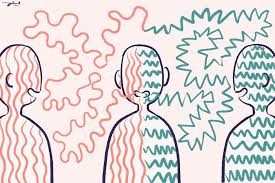
The skill of code switching is something that everyone should know, and is integral to our communication. Summarized, it is the ability to make a temporary alteration to our identity around other people. People can do it for whatever reason they want, whether it’s to fit in, hide and/or get something, be understood, etc. Like any skill, you can always improve with practice by immersing yourself in the behaviors and languages you want to replicate.
 Create to Learn
Amazing, beautiul, creative, and everything we need in this world!! ❤
LikeLike